 Culture
Accountability Is Not the Enemy
Accountability isn't a character trait some people have and others lack. It's the output of a structure most businesses never built.
Insights
Short, direct observations from twenty years inside operations, manufacturing, and FMCG businesses — the patterns that repeat, the conversations that get avoided, and what actually moves the needle.
Most managers have a leadership style. Very few chose it. There is no best style — only the right one for the moment, and the self-awareness to know which moment you are in. What each style costs, and what South African research says.
Read the Full Article →
Culture
Accountability isn't a character trait some people have and others lack. It's the output of a structure most businesses never built.
 Delegation
Most managers believe delegation begins with communication. It doesn't — it begins with clarity within yourself.
 The Business Case
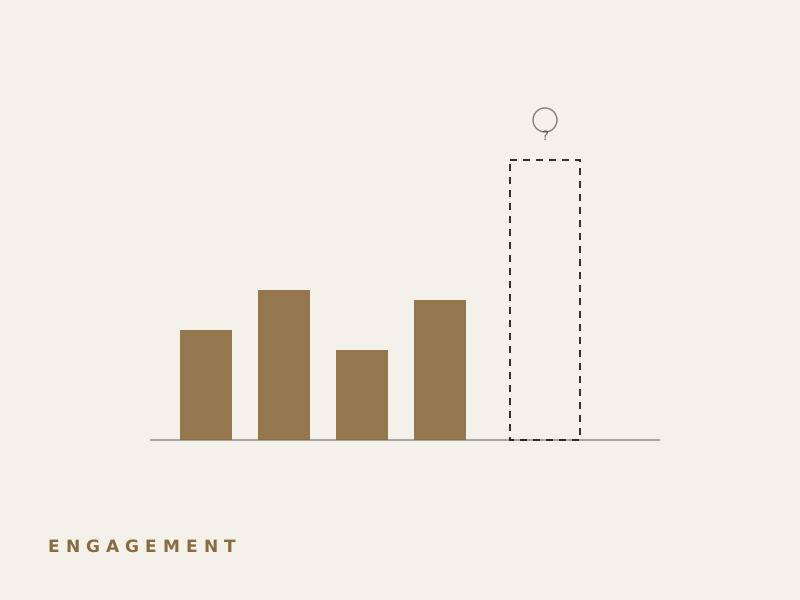
Global engagement fell to 20% — a $10 trillion cost, and roughly 70% of the variance traces to the manager.
 Self-Leadership
A leader can be technically unimpeachable and still relationally unsafe. The people underneath absorb the cost first.
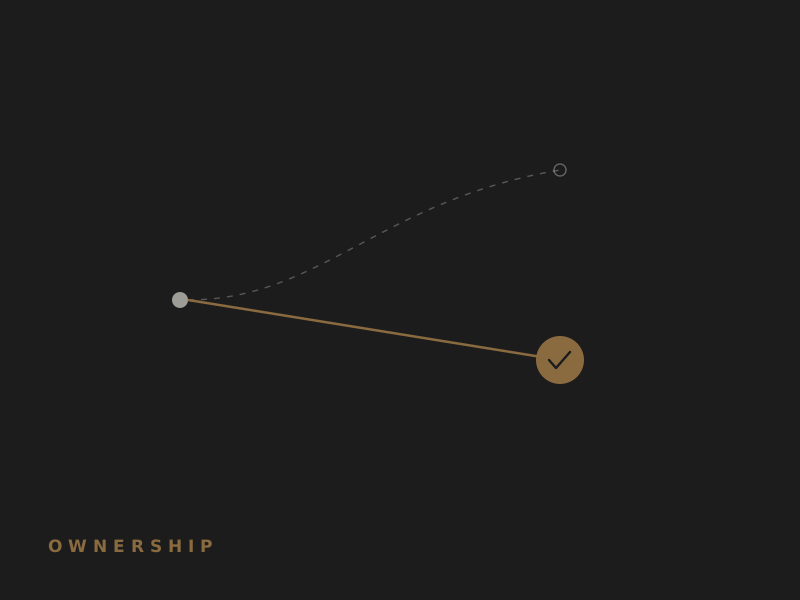 Accountability
Acknowledging fault while dodging its consequences is its own form of dishonesty — and a failure of leadership.
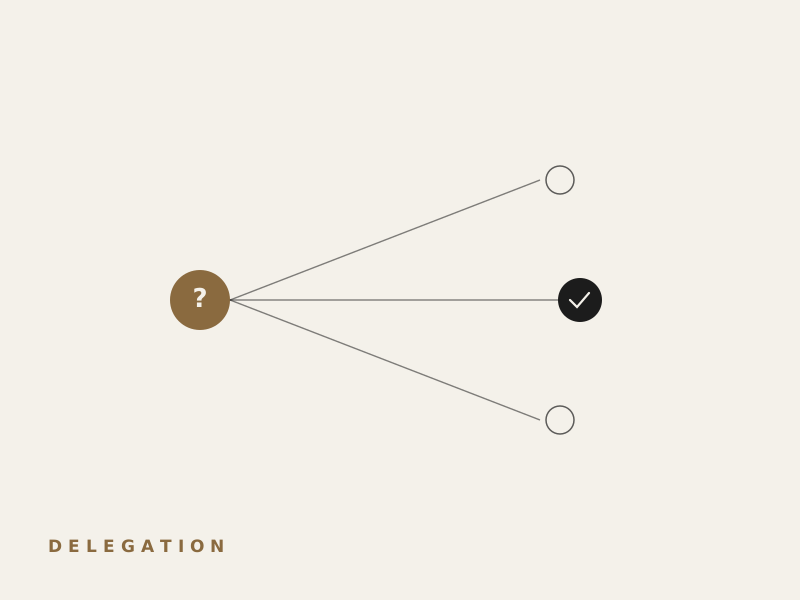 Delegation
Missed deadlines and redone work send most leaders looking at the team first. It's rarely the right place to look.
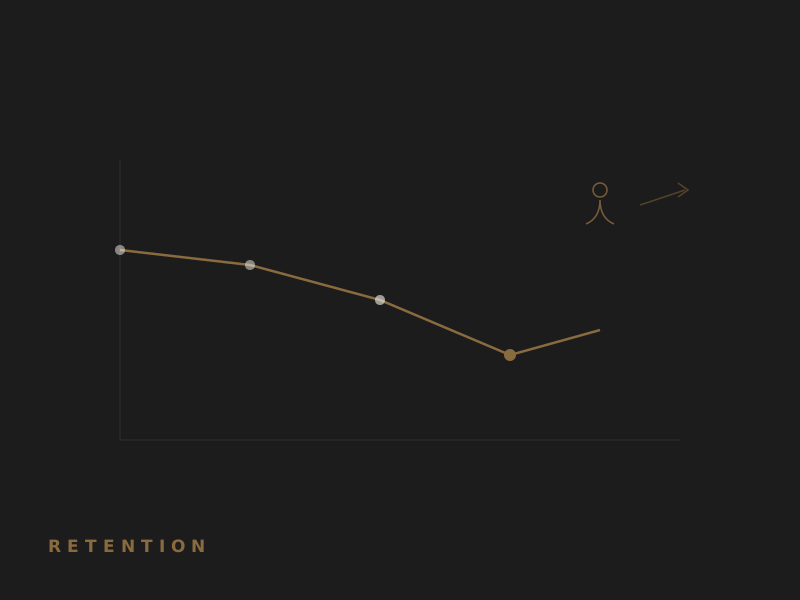 Retention
High staff turnover is rarely about pay. Here's what really drives good people out — and the leadership fix that keeps them.
 Self-Leadership
Promote on competence and you get a manager who can run the line but freezes the moment a performance conversation needs to happen.
 Culture
It's not about who's "naturally" accountable. It's a structure most businesses never built, and the gap shows up everywhere.
 Teams
Teams
They hit every number. The team still dreads working with them. Why "results" isn't the whole scorecard.
 Diagnostic
Most leadership training fails for one simple reason — it answers a question nobody actually asked.
No obligation. No generic proposal. Just a direct diagnostic discussion about what's actually happening in your business.
Take the Diagnostic